From fresh strawberries to leafy greens and raw meat, here’s what you should know about germs, food washing, and the role of chlorine dioxide.
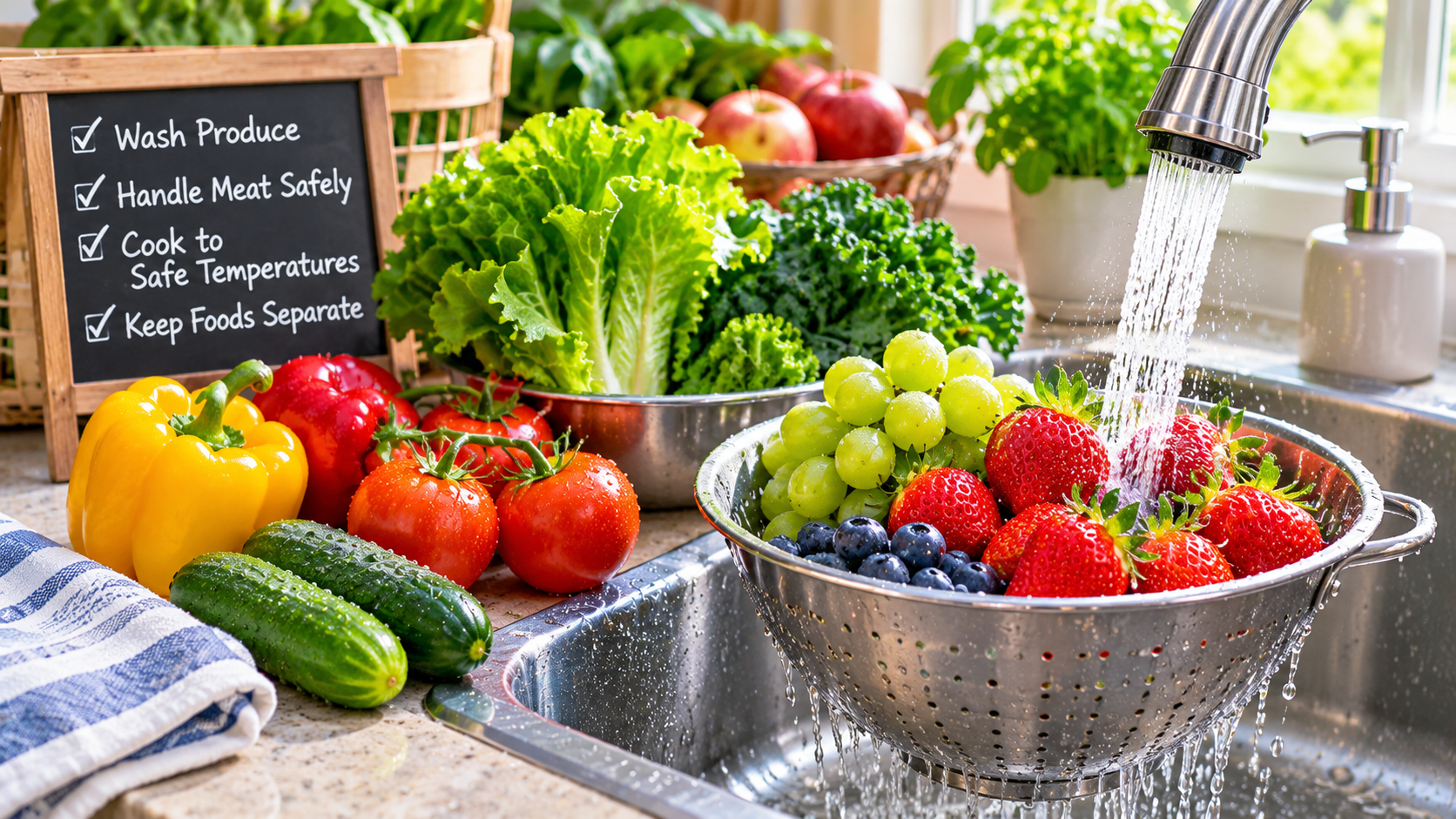
Have you ever brought home a beautiful basket of strawberries and wondered what might be hiding on them? They look clean. They smell fresh. But where have they been?
Before reaching your kitchen, fruits and vegetables may have traveled through farms, packing plants, trucks, warehouses, and grocery stores. Along the way, they can pick up dirt and germs.
With so much talk about pesticides, parasites, and food contamination these days, it’s no wonder people are paying more attention to washing their groceries.
One substance that has attracted interest in food safety is chlorine dioxide. But what does it actually do?

What Is Chlorine Dioxide?
Chlorine dioxide is a chemical compound used to control pathogens. It has been used in drinking-water treatment and commercial food-processing operations. Its main job is to react with important parts of microorganisms, making them unable to function normally.
Bacteria, viruses, fungi, mold, parasites, and germs are affected, even neutralized, by chlorine dioxide under the right conditions.
This is why food scientists have studied its use in water that comes into contact with food.
Why Do Food Processors Use It?
Imagine a large food-processing plant washing thousands of pounds of produce. The wash water may come into contact with many pieces of fruit or vegetables. If harmful bacteria enter that water, they may spread to other food.
Approved antimicrobial treatments can help control pathogens in processing water. In the United States, the FDA authorizes chlorine dioxide for use in commercial fruit and vegetable washing operations.
Chlorine dioxide is also permitted for meat, seafood, and poultry-processing uses. This is a real, established application of the chemical, not simply an experimental idea.
What About Pesticides and Parasites?
This is where things become interesting. Not everything people worry about on their groceries is the same.
- Bacteria are tiny living organisms. Some can cause food poisoning.
- Viruses are even smaller infectious agents. Certain viruses can spread through contaminated food.
- Parasites are organisms that may cause illness if swallowed in contaminated food or water.
- Pesticides are chemicals used to control insects, weeds, and other pests.
These are four different concerns.
A washing method that reduces bacteria may not remove every pesticide. A treatment that works against one microorganism may not work equally well against every parasite. And no washing method can promise to remove every possible contaminant.
That is why food safety involves more than choosing a particular cleaning solution.
Should You Soak Your Fruits and Vegetables?
Soaking produce may seem like a good way to clean it. Soaking in a bowl or sink can allow germs from one item to move to another.
For everyday home use, the FDA recommends washing fresh fruits and vegetables under running water.
Firm produce, such as potatoes, cucumbers, and melons, can be gently scrubbed with a clean produce brush.
Even fruits with peels should be washed before cutting, because a knife can carry germs from the outside to the inside.
The safest home routine remains simple: soak in chlorine dioxide water, then rinse with clean running water, wash your hands, and handle food carefully.
What About Meat, Chicken, and Fish?
Raw meat deserves special attention. It may carry bacteria that can cause foodborne illness. However, washing raw chicken or meat in the kitchen sink can spread contaminated droplets onto counters, utensils, and nearby foods.
That is why the USDA advises against washing raw poultry.
Cooking meat to the proper internal temperature is a reliable way to kill most pathogens and make it safe to eat.
Chlorine dioxide may be used as a meat soak at home but is not nationally recognized as a recommended food-safety practice.
Keep raw meat separate from ready-to-eat foods and use a food thermometer when cooking.
Does Washing Remove Every Toxin?
No. The word toxin is often used loosely. Some unwanted substances remain on the outside of food. Others may be absorbed into plant tissues or occur naturally within the food itself.
Washing can remove dirt and reduce some surface contaminants, but it cannot remove everything.
This is also why it helps to avoid treating every alarming grocery-store headline as proof that our food is unsafe. Food contamination is a real concern, but different hazards require different solutions.
A Simple Grocery-Cleaning Routine
You don’t need a complicated system to take better care of your food.
- Start with clean hands and a clean preparation area.
- Rinse fresh produce under running water before preparing it. Gently rub the surface and use a clean brush for firm produce.
- Remove damaged or rotten areas, and keep cut produce refrigerated.
- Keep raw meat and its juices away from fruits, vegetables, and ready-to-eat foods.
- Cook foods to safe temperatures.
These simple habits can make a meaningful difference.
The Bottom Line
Chlorine dioxide has an interesting and useful place in food safety. Its antimicrobial properties have made it valuable in certain regulated food-processing operations, including produce washing and poultry processing.
Increasingly, families are embracing chlorine dioxide in home food preparation to reduce toxic and microbial load before consumption.
For everyday shoppers, the most important lesson is that food safety begins with understanding what we’re trying to remove.
Dirt, bacteria, viruses, parasites, and pesticide residues are different problems.
And sometimes the best answer is also the simplest.
Wash your produce carefully, handle raw meat safely, and remember that good food preparation matters.
Sources and Further Reading
- FDA: Chlorine Dioxide, 21 CFR §173.300
- FDA: Selecting and Serving Produce Safely
- FDA: 7 Tips for Cleaning Fruits and Vegetables
- CDC: Preventing Food Poisoning
- USDA: Should I Wash Chicken or Other Poultry Before Cooking?
