One of the more curious patterns that shows up in long-term health challenges is this: people can have normal oxygen levels on paper and still behave as if their tissues are starving. They breathe fine. Their labs look acceptable. Their blood oxygen saturation reads “normal.” And yet fatigue persists. Healing stalls. Inflammation lingers. Energy feels shallow. Recovery is slow. This contradiction points to something that is rarely discussed outside of physiology textbooks: oxygen distribution matters more than oxygen availability.
In a healthy body, oxygen does not spread evenly. It forms gradients — subtle differences in concentration that guide cellular behavior. Some tissues require higher oxygen tension to regenerate. Others rely on lower levels to trigger repair cycles. Immune cells use oxygen differently depending on whether they are attacking, resolving, or standing down. Even mitochondria alter their behavior based on micro-changes in local oxygen pressure.
When these gradients are intact, tissues behave intelligently.
When they collapse, cells lose context.
What collapses oxygen gradients is not usually a breathing problem. It’s an environmental one.
Chronic inflammation thickens extracellular spaces. Biofilms alter diffusion. Oxidative debris changes redox balance. Microbial byproducts consume oxygen locally. Congested lymph restricts flow. Damaged microcirculation creates pockets of hypoxia beside areas of excess oxygen.
The result is not global oxygen deficiency — it’s oxygen confusion.
Cells that should be repairing behave as if under threat. Cells that should be resting stay active. Immune responses fail to resolve because the oxygen cues that signal “stand down” never arrive.
This is one reason healing can feel stalled even when nutrition, rest, and supplementation are optimized.
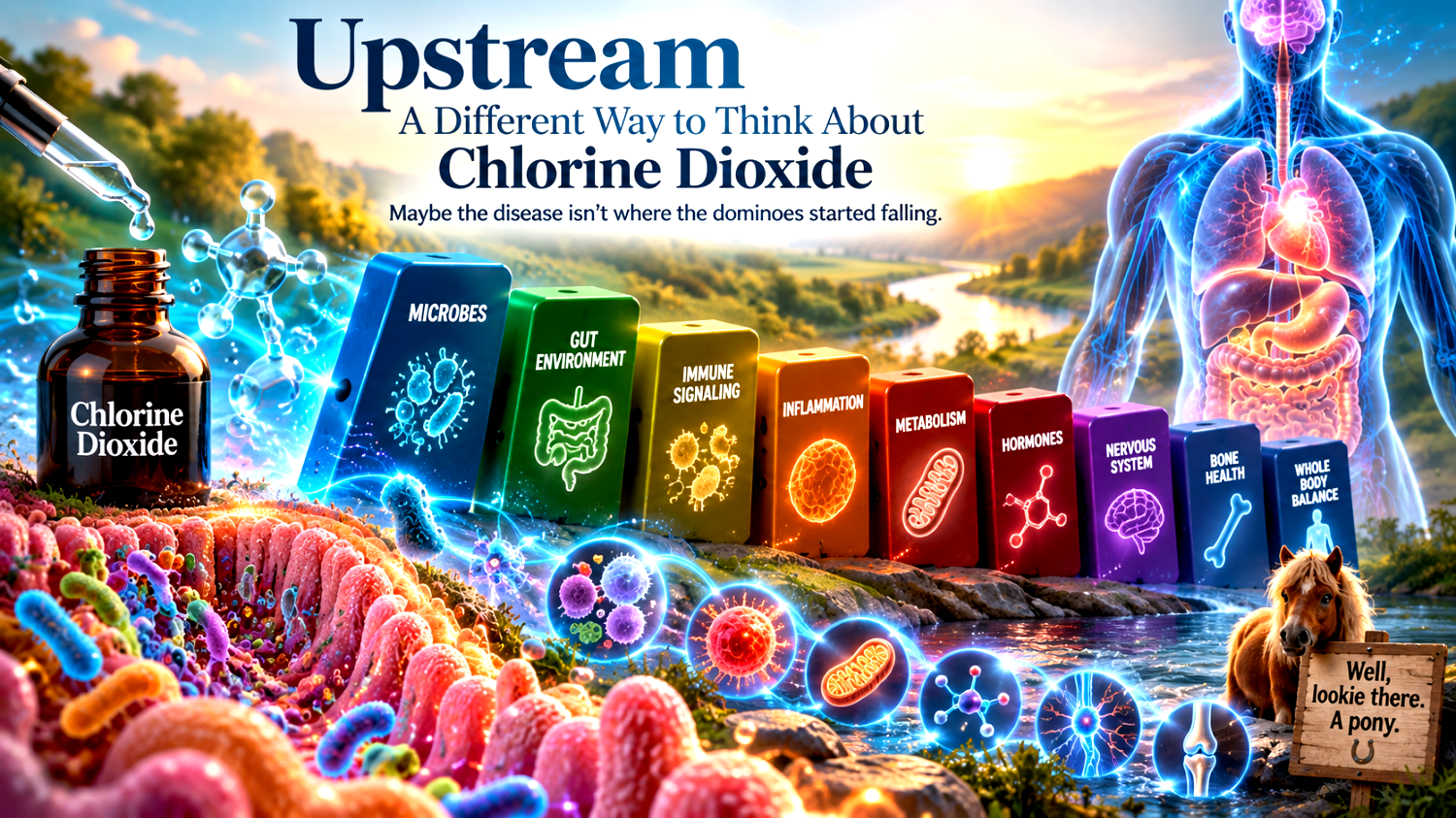
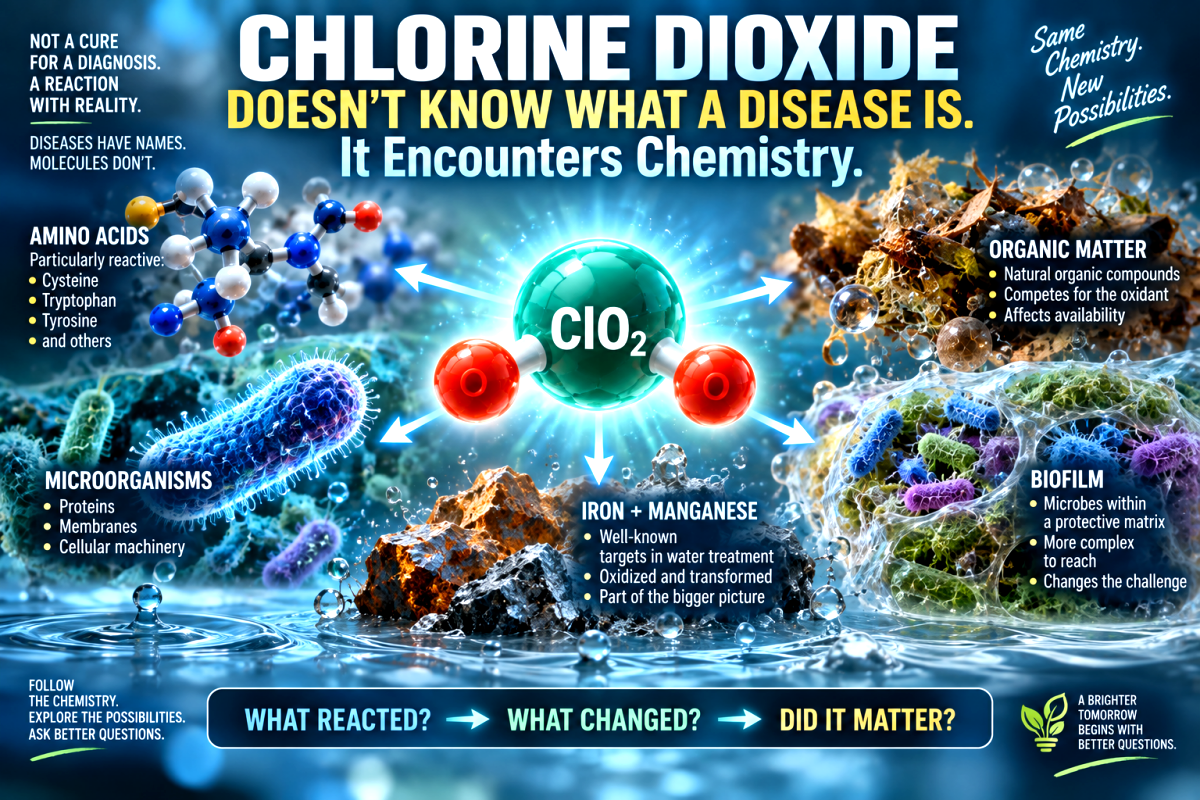
In alternative health research, chlorine dioxide has been explored not as an oxygen source, but as a condition-altering agent — something that may influence how oxygen is used, not how much is inhaled.
Its proposed relevance here has less to do with adding oxygen and more to do with reducing the factors that distort oxygen gradients in the first place.
When microbial burden decreases, oxygen demand normalizes. When biofilms weaken, diffusion improves. When oxidative waste is reduced, redox signaling stabilizes. When inflammation subsides, microcirculation opens. When lymphatic congestion eases, interstitial spaces clear.
None of this forces oxygen anywhere.
It simply allows oxygen to return to doing what it already knows how to do.
One of the more telling signs that oxygen gradients are restoring isn’t dramatic energy. It’s subtle coherence.
People notice that wounds heal more predictably. Muscles recover faster. Skin tone evens out. Sleep deepens without sedation. Inflammation resolves more completely after stress. Brain fog lifts without stimulation. Temperature regulation improves. Exercise feels “cleaner,” not exhausting.
These changes tend to appear together, quietly, often without fanfare.
That’s because oxygen gradients don’t announce themselves. They organize.
This perspective also explains why aggressive oxygen therapies, hyperventilation techniques, or forced circulation strategies can backfire in sensitive systems. Pushing oxygen into tissues that cannot distribute it properly can worsen oxidative stress, not relieve it.
Gradients must be restored before delivery is increased.
From this angle, healing isn’t about flooding the system — it’s about re-establishing spatial intelligence at the tissue level.
A more useful way to think about oxygen, then, is not as fuel, but as information.
Where oxygen goes tells cells what to do.
Where it lingers tells them how long.
Where it withdraws tells them when to stop.
When that information flow is disrupted, the body loses coordination.
When it’s restored, repair resumes almost automatically.
A quiet reframe:
Rather than chasing oxygen with force, many people explore sequences that prioritize:
The body rarely fails because it lacks resources. It fails because resources can’t reach the right places at the right time.
Healing often begins not when more is added — but when the pathways that guide distribution become clear again.
Disclaimer
This article is for informational and research purposes only. It does not diagnose, treat, cure, or prevent disease. Chlorine dioxide is not approved for internal therapeutic use by regulatory agencies. Oxygen physiology is complex; consult qualified professionals before making health-related decisions.
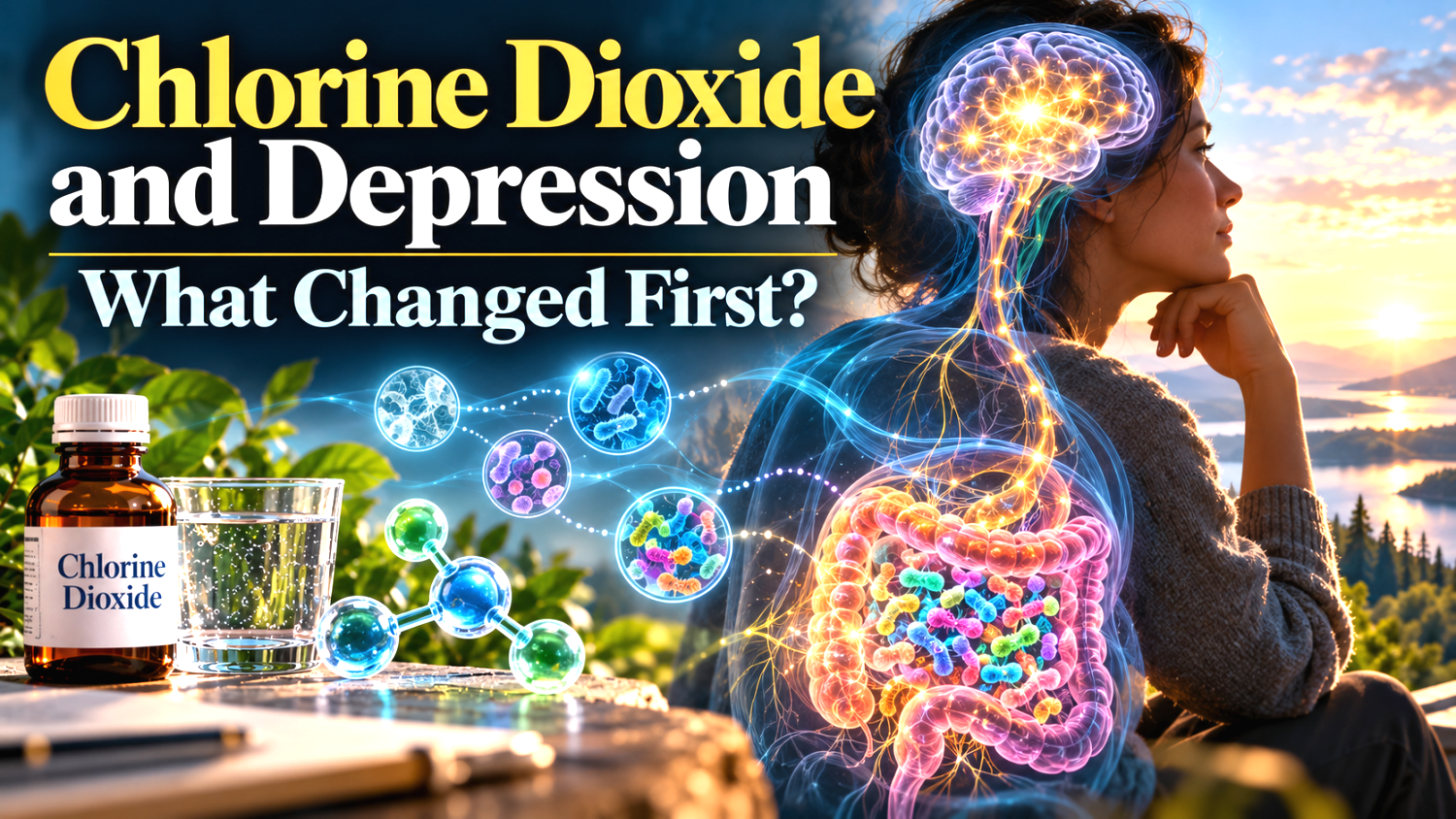
Mitochondria are often called the “power plants” of the cell, but this metaphor only tells part of the story. Mitochondria are also signal processors, stress sensors, and decision-makers that determine whether a cell repairs itself, adapts, or shuts down. Many modern health complaints, fatigue, brain fog, exercise intolerance, slow recovery, and accelerated aging share a common root: mitochondrial inefficiency. Importantly, this inefficiency is rarely caused solely by missing nutrients. More often, it arises from internal friction: inflammation, microbial toxins, biofilms, oxidative debris, poor oxygen delivery, and metabolic congestion.
Chlorine dioxide (CD/CDS) is being explored in alternative health research as a supportive upstream intervention to improve mitochondrial efficiency, not by “stimulating” mitochondria, but by removing environmental stressors that prevent them from operating efficiently.
Clearing mitochondrial interference may restore energy production at its source.
What Is Mitochondrial Inefficiency?
Mitochondrial inefficiency occurs when mitochondria:
produce less ATP than expected
generate excessive reactive byproducts
struggle to utilize oxygen efficiently
fail to adapt to metabolic demands
signal stress prematurely
exhaust themselves under minor loads
Symptoms often include:
chronic fatigue
post-exertional malaise
brain fog
cold intolerance
poor exercise tolerance
slow healing
hormonal imbalance
accelerated aging
Crucially, mitochondria may be present and intact, but operating under hostile conditions.
Why Do Mitochondria Lose Efficiency?
Mitochondria are highly sensitive to their environment.
Key disruptors include:
Chronic Inflammation
Inflammatory signaling diverts mitochondrial resources toward defense rather than energy production.
Microbial Toxins
Pathogen byproducts interfere with mitochondrial enzymes and membranes.
Biofilms
Biofilms trap waste and reduce oxygen diffusion at the cellular level.
Mitochondrial supplements work best in clean environments.
Support Oxygenation
Gentle movement and breathing support mitochondrial function.
Hydration and Minerals
Support electron transport and ATP synthesis.
Avoid Overexertion During Recovery
Mitochondria rebuild gradually.
Observe Energy Quality
Sustained energy is a better indicator than spikes.
Disclaimer
This article is for informational and research purposes only. It does not diagnose, treat, cure, or prevent disease. Chlorine dioxide is not approved for internal therapeutic use by regulatory agencies. Mitochondrial health is complex; consult qualified professionals before making health-related decisions.
Stem cells are the body’s built-in repair system. They respond to signals, chemical, electrical, and metabolic, that tell them when to remain dormant, when to activate, and where to go. As we age, this signaling becomes weaker and more distorted. The result is slower healing, reduced tissue regeneration, and diminished resilience.
What is often overlooked is that stem cell decline is not only about aging cells, but also about a polluted signaling environment. Chronic inflammation, microbial debris, biofilms, oxidative waste, and poor oxygen delivery interfere with the messages stem cells rely on to function properly.
Chlorine dioxide (CD/CDS) is being explored in alternative health research as a signal-clearing support agent, not because it “creates stem cells,” but because it may help remove the biological noise that prevents stem cells from responding effectively.
Let’s explore how improving the internal environment helps restore more explicit regenerative signaling.
1. What Is Stem Cell Signaling?
Stem cell signaling refers to the complex communication network that tells stem cells:
When to activate
When to differentiate
Where to migrate
When to remain dormant
When the repair is complete
These signals come from:
Inflammatory markers
Oxygen levels
Nutrient availability
Cellular voltage
Hormonal cues
Metabolic stress signals
Extracellular matrix conditions
When the environment is clean and balanced, stem cells respond efficiently. When it is congested or inflamed, signaling becomes distorted.
2. Why Does Stem Cell Function Decline With Age?
Stem cells themselves may remain present well into older age. What changes is the quality of the signals they receive.
Key disruptors include:
A. Chronic Inflammation
Inflammatory cytokines drown out regenerative signals.
B. Microbial Burden
Pathogens release toxins that interfere with cellular communication.
C. Biofilms
Biofilms distort chemical gradients and block oxygen diffusion.
D. Oxidative Stress
Excess waste products damage signaling pathways.
E. Poor Oxygenation
Low oxygen alters stem cell behavior and differentiation.
F. Extracellular Matrix Congestion
The “space between cells” becomes stiff, acidic, and cluttered.
The result is not a lack of stem cells, but confused stem cells.
3. Who Might Benefit From Improved Regenerative Signaling?
People who experience:
Slow wound healing
Lingering injuries
Chronic inflammation
Degenerative joint issues
Skin aging and thinning
Reduced recovery from exercise
Post-illness fatigue
Surgical recovery challenges
Premature aging signs
Many notice that healing slows long before serious disease appears.
4. Where Does Chlorine Dioxide Fit Into Regenerative Support?
Chlorine dioxide does not stimulate stem cells directly.
Its role is environmental preparation:
A. Reducing Inflammatory Noise
Lower inflammation allows regenerative signals to stand out.
B. Clearing Microbial Interference
Fewer pathogens means fewer toxic signals.
C. Weakening Biofilms
Improves oxygen, nutrient, and signal diffusion.
D. Improving Oxygen Availability
Oxygen is a key regulator of stem cell behavior.
E. Cleaning the Extracellular Matrix
Clearer spaces allow better communication between cells.
In essence:
CD helps quiet the room so the instructions can be heard.
5. When Does Signal Clearing Become Important?
This approach becomes relevant:
After chronic illness
After infection or inflammation
During aging-related decline
Before regenerative therapies
Before surgery or recovery programs
When healing plateaus
When skin, joints, or tissues stop responding
Many regenerative therapies underperform because the internal environment is too congested for signals to propagate.
2. Reducing Microbial Toxins
Pathogen byproducts interfere with cellular messaging.
3. Improving Oxygen Gradients
Stem cells rely on precise oxygen cues to differentiate correctly.
4. Supporting Mitochondrial Energy
Repair requires ATP; cleaner tissues produce energy more efficiently.
5. Clearing Extracellular Debris
A less congested matrix improves signal transmission.
6. Supporting Electrical and Ionic Balance
Healthy voltage gradients help guide cell behavior.
7. Creating Conditions for Autophagy and Renewal
Cleaner environments allow damaged cells to be recycled efficiently.
Regeneration vs. Stimulation
True regeneration is not forced. It is permitted.
When the internal environment is calm, oxygenated, and free of interference, the body’s innate repair systems—including stem cells—can operate closer to their natural potential.
Rather than chasing stimulation, this approach focuses on removing what blocks regeneration.
1. Prioritize Internal Cleanliness
Many explore CD after addressing hydration, minerals, and gentle detox support.
2. Support Oxygenation
Light movement, breathwork, and circulation support improve signaling.
3. Avoid Overstimulation
Aggressive protocols can confuse regenerative signals.
4. Combine With Recovery Practices
Sleep, nutrition, and stress reduction amplify regenerative response.
5. Observe Healing Speed
People often notice:
faster recovery
improved skin quality
better joint resilience
reduced inflammation
improved tissue response
Disclaimer
This article is for informational and research purposes only. It does not diagnose, treat, cure, or prevent disease. Chlorine dioxide is not approved for internal therapeutic use by regulatory agencies. Stem cell biology is complex; consult qualified professionals before pursuing regenerative or experimental practices.
One of the most powerful and least discussed drivers of aging is glycation. Glycation occurs when excess sugars bind to proteins, fats, and DNA, forming rigid, dysfunctional compounds known as Advanced Glycation End-products (AGEs). These compounds stiffen tissues, damage collagen, impair circulation, accelerate inflammation, and shorten cellular lifespan. While glycation is commonly associated with diabetes, it affects everyone, especially as we age. AGEs contribute to wrinkles, joint stiffness, arterial hardening, brain aging, kidney stress, and loss of elasticity throughout the body. Chlorine dioxide (CD/CDS) is now being explored in alternative health circles as a supportive tool for reducing the biological burden that fuels glycation, not by “removing sugar,” but by clearing pathogens, biofilms, inflammation, and oxidative waste that accelerate AGE formation.
How reducing internal stressors helps slow glycation-driven aging.
What Is Glycation?
Glycation is a non-enzymatic reaction where sugars attach to:
collagen
elastin
hemoglobin
enzymes
nerve proteins
arterial walls
mitochondrial components
Once formed, AGEs:
harden tissues
reduce elasticity
block oxygen delivery
interfere with cell signaling
increase inflammation
damage mitochondria
accelerate aging
Think of glycation as “caramelization from the inside out.”
Why Does Glycation Accelerate Premature Aging?
AGEs cause aging through multiple mechanisms:
Tissue Stiffness
Collagen becomes brittle and inflexible, leading to wrinkles, joint pain, and vascular rigidity.
Inflammation dramatically increases AGE production. By lowering microbial load and toxic triggers, CD reduces inflammatory signaling that drives glycation.
CD Reduces Pathogen-Driven Glycation
Many microbes metabolize sugars and release glycation-promoting toxins. Fewer microbes = fewer glycation accelerants.
CD Breaks Down Biofilms That Trap AGEs
Biofilms trap sugars, metals, and waste that fuel AGE formation. CD weakens the biofilm matrix, allowing the body to clear trapped glycation compounds.
CD Improves Oxygenation
Oxygen-rich tissues form fewer AGEs. By reducing anaerobic microbes and clearing blockages, CD supports better oxygen delivery.
CD Supports Mitochondrial Function
Healthy mitochondria regulate glucose metabolism more efficiently, lowering glycation risk.
People exploring AGE reduction typically use low-dose CDS consistently over time rather than aggressively.
Hydration Is Critical
Water helps mobilize glycation byproducts once released.
Reduce Sugar Intake
Lowering dietary sugar dramatically reduces AGE formation.
Add Magnesium and Trace Minerals
Minerals support glucose metabolism and collagen integrity.
Support Liver and Kidneys
These organs help clear glycation byproducts.
Gentle Movement
Improves circulation and oxygen delivery to glycated tissues.
Observe Long-Term Changes
Improvements often show up in:
skin tone
joint comfort
circulation
cognitive clarity
energy levels
Disclaimer
This article is for informational and research purposes only. It does not diagnose, treat, cure, or prevent disease. Chlorine dioxide is not approved for internal use by regulatory agencies. Always consult qualified professionals before making health-related decisions.
Chlorine dioxide (CD) has been used for decades as a purifier, disinfectant, and oxygen-based cleaner. In recent years, people have explored its possible benefits for supporting the body’s natural ability to restore balance. While not a drug or a cure, CD acts as a selective oxidizer, meaning it targets and breaks down unwanted pathogens and waste while leaving healthy tissues unharmed when used correctly and at proper dilution.
Understanding how the body uses chlorine dioxide helps people apply it more effectively, whether taken alone or combined with DMSO.
Healthy cells have a higher electrical potential and stronger antioxidant defenses, so CD passes by them without harm.
2. Oxygen Donation
CD breaks apart and releases small amounts of usable oxygen. Many people report increased clarity, improved energy, and better overall function, often explained by:
The body uses CD like an internal “cleaning gas” that searches for what doesn’t belong, reacts with it, neutralizes it, and leaves the system as chloride (a harmless salt) or oxygen.
2. How the Body Uses Chlorine Dioxide
Most protocols rely on CD alone, activated and diluted, because the body can easily absorb it through:
✓ The stomach
✓ The small intestine
✓ Mucous membranes
✓ Skin (with topical use)
When used alone, CD is best for:
✓ General detox support
✓ Light to moderate microbial issues
✓ Environmental exposures
✓ Daily cleansing protocols
✓ Gut-related concerns
✓ Surface-level infections on the skin
Benefits of CD without DMSO
✓ Gentle absorption
✓ Slower release into deeper tissues
✓ Excellent for long-term, steady use (Protocol 1000, 1000+, etc.)
✓ Easy to control dosage
✓ Good for sensitive individuals
CD works for about 35 to 40 minutes in the bloodstream and digestive tract. This is often enough for many situations.
3. How the Body Uses Chlorine Dioxide With DMSO
DMSO (dimethyl sulfoxide) is a powerful carrier solvent. When combined with CD, it pulls CD deeper into the body through:
✓ Skin barriers
✓ Cell membranes
✓ Scar tissue
✓ Biofilm layers
✓ Areas with poor blood flow
Jim Humble referred to DMSO as the “gateway” that allows CD to reach deeper trouble spots.
What DMSO does when combined with CD:
1. Transdermal Transport
Delivers CD directly into tissues, bypassing digestion.
2. Deep Penetration
Reaches areas where pathogens often hide—joints, gums, nerves, muscles.
3. Anti-Inflammatory Support
DMSO reduces swelling and pain on its own.
4. Enhanced Oxidation Effect
The CD+DMSO combination breaks through thick biofilms more efficiently.
✓ Deep joint pain
✓ Muscle knots
✓ Nerve pain
✓ Dental or gum issues
✓ Ingrown nails
✓ Stubborn lesions
✓ Cysts or internal abscesses
DMSO pulls the CD into the exact tissue where the problem exists.
6. How the Body Eliminates and Neutralizes Chlorine Dioxide
After CD does its job, it converts into:
✓ Oxygen
✓ Sodium chloride (simple salt)
✓ Water
✓ Harmless oxidized debris from pathogens
The body expels this waste through:
✓ Kidneys
✓ Skin
✓ Breath
✓ Bowels
This is why people often report:
✓ Clearer skin
✓ More energy
✓ Better digestion
✓ Fewer infections
✓ Faster wound healing
The body is doing less fighting and more repairing.
7. When to Use One or the Other
CD ALONE is best if:
✓ You are beginning CD use
✓ You have gut issues
✓ You prefer internal cleansing
✓ You are sensitive or cautious
✓ You want all-day, gentle support
CD + DMSO is best if:
✓ You have a localized problem
✓ You need deeper penetration
✓ You’re dealing with chronic issues
✓ You’ve been using CD successfully and want to advance
✓ You want faster or more targeted results
Many people use a combination depending on their goals.
8. A Gentle Note of Wisdom
CD and DMSO are both powerful tools. The body responds best when:
✓ You start low and go slow
✓ You listen to your body
✓ You stay hydrated
✓ You follow safe dilution practices
✓ You respect the protocols
As Jim Humble often said, “The dose that works is the dose your body accepts.”
For years, chlorine dioxide (ClO₂) has been misunderstood, mislabeled, and misrepresented by those who haven’t taken the time to study what it really is—or what it does. Some call it “toxic bleach.” Others call it the most powerful broad-spectrum antitoxin known to humankind. So, which is it? Let’s take a closer look at what chlorine dioxide really is and how it works.
The confusion starts with the word chlorine. Most people immediately think of pool chlorine or household bleach—both of which are indeed toxic and corrosive. But chlorine dioxide is not the same thing as chlorine or sodium hypochlorite (bleach).
Chemically, chlorine dioxide is a neutral molecule consisting of one chlorine atom and two oxygen atoms. It doesn’t chlorinate the body or form harmful byproducts like chlorine does. Instead, it acts as a selective oxidizer, meaning it targets and neutralizes harmful substances such as viruses, bacteria, fungi, and toxins—without harming healthy tissue when properly diluted and used responsibly.
In other words, chlorine dioxide doesn’t “burn” or “poison” the body—it oxidizes unwanted invaders and leaves behind nothing more than a trace of salt and oxygen.
Chlorine Dioxide Is a Natural Substance
Here’s something that surprises a lot of people: chlorine dioxide isn’t some synthetic lab invention—it’s a naturally occurring compound. In fact, nature itself produces oxidizers like chlorine dioxide in the atmosphere.
When sunlight interacts with ocean mist, volcanic gases, or the breakdown of certain organic materials, tiny amounts of chlorine dioxide and similar oxidizing compounds are formed naturally in the air. These substances play a vital role in keeping our planet’s air and water clean by neutralizing harmful microbes and toxins in the environment.
Inside the human body, the immune system uses a comparable oxidative defense mechanism. Our white blood cells create natural oxidants, such as hypochlorous acid and reactive oxygen species, to destroy pathogens. Chlorine dioxide works on that same principle—a natural oxidation process that supports purification and balance.
That’s why some researchers call chlorine dioxide a “bio-mimetic oxidizer”—it mimics the way nature purifies itself. It’s not foreign to life; it’s an extension of the same cleansing chemistry that keeps our air fresh, our water pure, and our bodies healthy.
Combustion gases and minerals react with atmospheric oxygen, creating reactive chlorine oxides.
Natural sterilization and detoxification of volcanic regions.
Forest Decomposition
Organic matter breakdown releases halogenated compounds that form oxidizers like chlorine dioxide.
Controls mold, decay, and odor in natural ecosystems.
Atmospheric Cleansing Cycle
Chlorine dioxide and ozone participate in oxidizing pollutants, restoring air balance.
Maintains the Earth’s self-cleaning system.
Human Immune System
White blood cells produce oxidants (e.g., hypochlorous acid, peroxides) that mirror ClO₂’s selective oxidation.
Neutralizes bacteria, viruses, and toxins inside the body.
Water Purification (Human Use)
Activated sodium chlorite mimics natural oxidative cycles to release pure chlorine dioxide gas.
Safely purifies water without harmful byproducts.
Just as ozone (O₃) keeps our atmosphere clean, chlorine dioxide (ClO₂) helps maintain purity in both nature and applied human systems. It’s a natural ally, not an industrial villain.
Understanding Toxicity: It’s All About the Dose
Nearly every substance can be toxic—even water, oxygen, or vitamin D—if taken in excess. The word “toxic” has been thrown around without context when it comes to chlorine dioxide.
The truth is, chlorine dioxide has been safely used for decades in water purification systems, food sanitation, hospital sterilization, and even NASA space missions. Its ability to eliminate pathogens without producing toxic residues is precisely why it’s trusted in critical public health and environmental applications.
When properly diluted (for example, 1 to 3 ppm in water), chlorine dioxide is non-toxic to humans and animals but deadly to harmful microorganisms.
This makes it a dose-dependent ally, not a poison.
Comparative Toxicity and Safety of Common Oxidizers
Substance
Purpose / Common Use
Approx. LD₅₀ (oral, rat)
Typical Safe Human Use Level
Relative Safety Notes
Water (H₂O)
Essential for life
~90,000 mg/kg
2–3 liters per day
Even water can be toxic in extreme excess (water intoxication).
Hydrogen Peroxide (H₂O₂)
Disinfectant, mouth rinse
~800 mg/kg
0.5–3% topical use
Mild oxidizer, but concentrated forms are caustic.
Household Bleach (NaOCl)
Cleaning agent
~1,200 mg/kg
None (corrosive internally)
Highly toxic if ingested, irritant to tissues.
Chlorine Dioxide (ClO₂)
Disinfectant, water purifier
~292 mg/kg
0.1–3 ppm in water
Safe at low doses; used worldwide for drinking water.
Ethanol (Alcohol)
Beverage, antiseptic
~7,000 mg/kg
Variable; 10–40 g typical
Safe in moderation; toxic in high concentrations.
Acetaminophen (Tylenol)
Pain reliever
~338 mg/kg
325–650 mg per dose
Overdose can cause fatal liver toxicity.
LD₅₀ (Lethal Dose 50%) indicates the dose at which 50% of test animals perish. The smaller the number, the more toxic the substance. Notice that chlorine dioxide’s toxicity level is comparable to acetaminophen and hydrogen peroxide, yet at working concentrations (below 3 ppm), it is orders of magnitude safer—and unlike drugs, it leaves no toxic residue in the body.
How It Works as a Broad-Spectrum Antitoxin
Chlorine dioxide doesn’t mask symptoms or suppress immune responses. Instead, it acts like a cleanup crew in the bloodstream and tissues. Here’s what many advocates believe it does:
Oxidizes harmful pathogens – including bacteria, viruses, and fungi, by targeting sulfur and nitrogen compounds they depend on.
Breaks down biofilms – the slimy protective layers that pathogens hide behind, making infections chronic.
Neutralizes toxins and heavy metals – through oxidation and structural breakdown, reducing the body’s toxic burden.
Supports cellular oxygenation – because as it works, it releases oxygen molecules that can support overall metabolic health.
Reduces inflammation – by clearing out microbial triggers that drive chronic inflammatory responses.
In this sense, chlorine dioxide functions as a broad-spectrum antitoxin, not by suppressing, but by cleansing the terrain of the body.
Comparing It to Common “Safe” Chemicals
Ironically, many over-the-counter products and medications accepted as “safe” carry far higher toxicity risks. Acetaminophen, for example, is responsible for thousands of liver failure cases annually.
Chlorine dioxide, when used correctly, has an extremely low toxicity profile—especially when compared to antibiotics, disinfectants, and even prescription antifungals.
If chlorine dioxide were as dangerous as detractors claim, it would not be approved by the EPA and WHO for drinking water purification in municipal systems worldwide.
A Question of Intent and Awareness
Calling chlorine dioxide “toxic” ignores the principle of dose, intent, and context. When used irresponsibly, yes—it can be harmful. But when handled correctly and applied with understanding, it becomes one of the most powerful tools available for cleansing and restoring balance in the human system.
It’s time we stop lumping chlorine dioxide into the same category as industrial bleach and instead recognize it for what it is: a controlled, intelligent oxidizer that nature itself seems to have designed for purification and renewal.
The Verdict
So—is chlorine dioxide toxic or the most powerful broad-spectrum antitoxin?
The honest answer is: it depends on how you use it.
At the right dose, in the right form, and for the right purpose, chlorine dioxide is one of the safest and most effective oxidizing agents ever discovered.
To those who’ve seen its results firsthand, it’s more than just a disinfectant—it’s a miracle molecule that restores cleanliness and vitality to the human body, one molecule of oxygen at a time.
Herb Roi Richards says, “If it’s strong enough to kill pathogens and gentle enough to purify our drinking water, maybe it deserves a second look.”
Perhaps chlorine dioxide isn’t toxic—it’s simply been misunderstood.
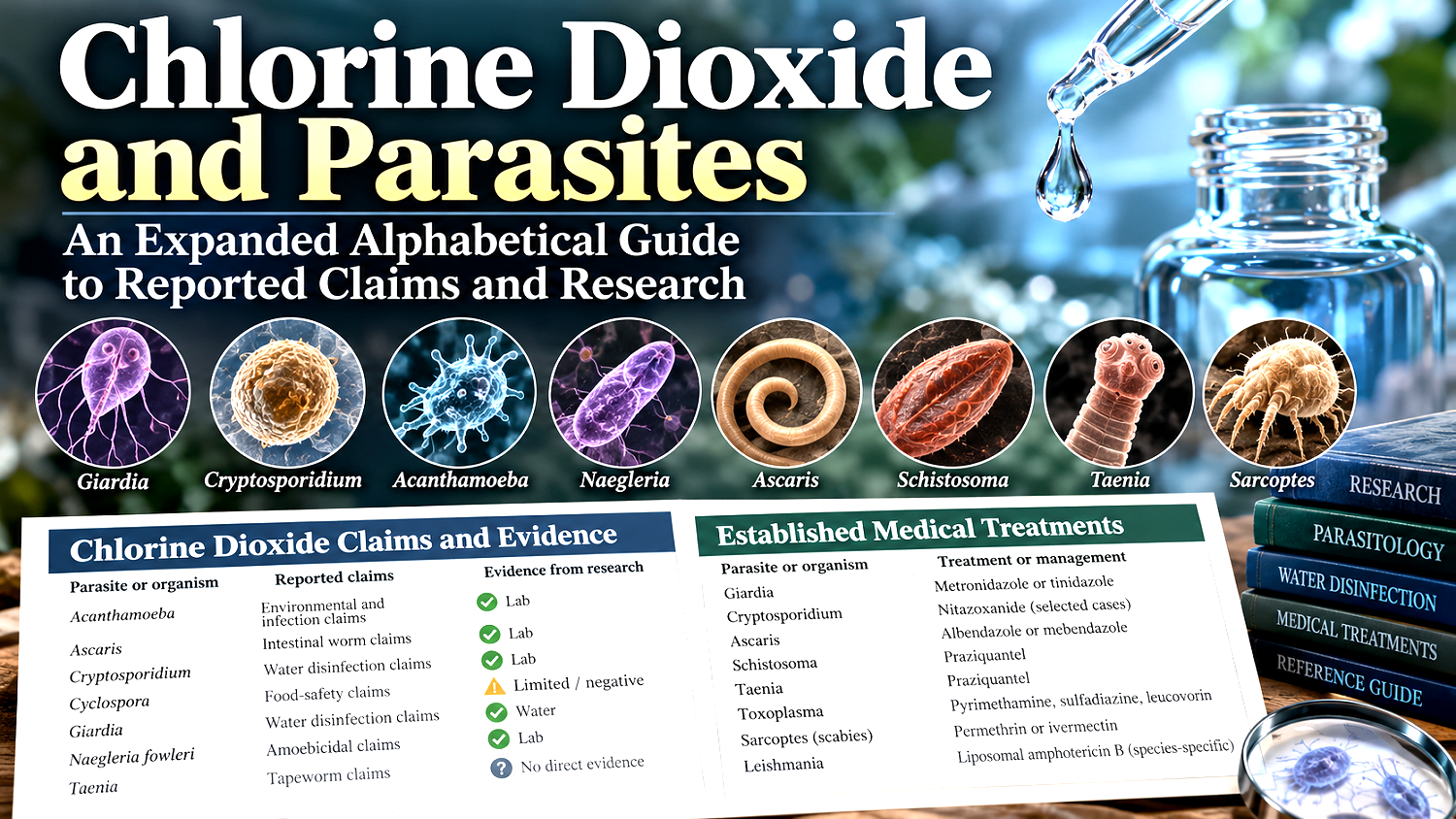
Parasites, organisms that live in or on a host and feed at its expense, have affected human health since ancient times. They can inhabit the skin, eyes, digestive tract, bloodstream, or organs, causing symptoms ranging from mild irritation to life-threatening disease. Many individuals have reported success using chlorine dioxide, a water purification agent, to neutralize a wide range of parasitic infections, from microscopic protozoa to large intestinal worms, through its oxidative detoxification mechanism.
Chlorine dioxide (ClO₂) is a selective oxidizer. It seeks out and neutralizes harmful pathogens, viruses, fungi, and parasites by breaking down their cell walls and disrupting their metabolic processes without damaging human tissue when used in diluted quantities.
How Does Chlorine Dioxide Eliminate Our Parasitic Infections?
Below is a detailed overview of the most common parasitic infections and how chlorine dioxide has been reportedly used by individuals seeking alternative methods of detoxification and healing.
1. Malaria (Plasmodium spp.)
Type: Protozoan blood parasite
Transmission: Mosquito bites (Anopheles species)
Symptoms: Cyclic fevers, chills, fatigue, anemia, and sweating.
How Chlorine Dioxide Works:
Reports suggest that chlorine dioxide may oxidize the heme component of the parasite’s metabolism, interrupting its ability to reproduce within red blood cells. Jim Humble’s early work with malaria in Africa reported full symptom resolution within hours of treatment using activated chlorine dioxide drops.
Suggested Use (as reported by others):
Activated MMS/CDS taken orally per Protocol 1000 (3 activated drops/hour in water for 8 hours daily). In severe cases, Protocol 1000+ has been used under close self-monitoring.
2. Scabies (Sarcoptes scabiei)
Type: Parasitic mite infestation of the skin
Transmission: Direct skin contact or sharing infested clothing/bedding.
Symptoms: Intense itching, burrow tracks, rash, and secondary infection.
How Chlorine Dioxide Works:
ClO₂’s strong oxidizing nature helps destroy mites and their eggs on contact and disinfects secondary bacterial infections.
Suggested Use:
Apply diluted chlorine dioxide solution (1–2 activated drops per ounce of water) topically to affected skin twice daily; wash bedding and clothing in a mild ClO₂ rinse.
3. Lice (Pediculosis)
Type: Ectoparasitic insect (head, body, or pubic lice)
Transmission: Close physical contact or shared combs, hats, or bedding.
Symptoms: Itching, scalp irritation, and visible nits (eggs).
How Chlorine Dioxide Works:
It oxidizes and dehydrates lice and their eggs while sanitizing the scalp to prevent reinfestation.
Suggested Use:
Apply a diluted solution (1 drop ClO₂ per ounce of water) to the scalp, leave for 5 minutes, rinse thoroughly; repeat daily for 3–5 days.
4. Demodex Mites (Demodex folliculorum & D. brevis)
Type: Microscopic mites in hair follicles and sebaceous glands
Transmission: Skin-to-skin contact, contaminated bedding or towels.
Symptoms: Facial itching, redness, eye irritation, and acne-like eruptions.
How Chlorine Dioxide Works:
Chlorine dioxide helps oxidize and denature mite exoskeletons while cleansing clogged pores.
Suggested Use:
Dilute one drop of activated chlorine dioxide per ounce of distilled water. Apply gently with a cotton ball to the face nightly for one week.
5. Cat Scratch Fever (Bartonella henselae)
Type: Bacterial infection transmitted by cat scratches (parasite-associated)
Transmission: Cat scratches, bites, or fleas.
Symptoms: Swollen lymph nodes, fever, fatigue, and muscle aches.
How Chlorine Dioxide Works:
Though bacterial in origin, Bartonella behaves like a parasitic infection within red blood cells; chlorine dioxide can oxidize intracellular pathogens.
Suggested Use:
Protocol 1000 orally; topical application to scratches with a 10–20 ppm ClO₂ solution.
6. Creeping Eruption (Cutaneous Larva Migrans)
Type: Hookworm larvae migration under the skin
Transmission: Contact with contaminated soil (bare feet, beach sand).
Symptoms: Itchy, winding skin tracks.
How Chlorine Dioxide Works:
ClO₂’s surface oxidation may destroy larvae at the skin level while preventing secondary infections.
Suggested Use:
Topical 1–2 drop/oz solution applied 2–3 times daily.
7. Rickettsia (Rickettsial Infections, e.g. Typhus, Spotted Fever)
Type: Obligate intracellular bacteria transmitted by ticks, fleas, lice
Transmission: Tick, flea, or lice bites.
Symptoms: Fever, rash, muscle pain, headache.
How Chlorine Dioxide Works:
ClO₂ can oxidize infected blood components, supporting the immune system’s clearance of intracellular pathogens.
Suggested Use:
Protocol 1000 orally; in advanced cases, Protocol 2000 (up to 6 drops/hour, 8 hours daily).
8. Giardiasis (Giardia lamblia)
Type: Flagellated protozoan
Transmission: Contaminated water, food, or oral–anal contact.
Oxidizes and destroys amoebic trophozoites, neutralizing cysts that cause relapse.
Suggested Use:
Administer Protocol 1000 orally for 3–4 weeks; in severe liver cases, supplement with a topical application over the liver region (10–20 ppm solution).
10. Schistosomiasis (Bilharzia)
Type: Blood fluke (trematode)
Transmission: Contact with contaminated freshwater (larvae penetrate skin).
Symptoms: Abdominal pain, bloody urine/sperm/stool, liver enlargement. Chronic conditions can affect the genital tract and increase vulnerability to other STIs, including HIV.
How Chlorine Dioxide Works:
Breaks down adult worm enzymes and inhibits egg development in blood vessels.
Suggested Use:
Protocol 1000+ orally for 3–6 weeks; regular bathing in diluted ClO₂ solution (5 ppm) may support skin disinfection.
Chlorine dioxide supports immune elimination by oxidizing intracellular forms and reducing systemic inflammation.
Suggested Use:
Protocol 1000 orally for 21 days; topical ClO₂ eye rinse (very mild, 1 ppm) only under expert guidance.
13. Trichomoniasis (Trichomonas vaginalis)
Type: Protozoan sexually transmitted parasite
Transmission: Sexual contact.
Symptoms: Vaginal or urethral irritation, discharge, odor.
How Chlorine Dioxide Works:
Destroys protozoa in mucous membranes, disinfecting and balancing pH.
Suggested Use:
Oral Protocol 1000 plus gentle douche (1 drop per 4 oz water) once daily for 3 days.
14. Chagas Disease (American Trypanosomiasis)
Type: Trypanosoma cruzi (protozoan)
Transmission: Kissing bug (triatomine bugs) feces enter the eyes, mouth, or broken skin. They live in cracks in walls or roofs, animal nests, dog kennels, chicken coops, under porches, rocks, or brush piles.
Symptoms: Swelling near the bite, fever, chronic heart and digestive complications, can cause sudden death if untreated.
How Chlorine Dioxide Works:
Oxidizes parasite stages in blood and tissues, helping reduce toxic load.
Suggested Use:
Protocol 1000 orally for 30 days; topical ClO₂ application on bite site (1–2 drops/oz solution).
Humble, J. (2006). The Miracle Mineral Solution of the 21st Century
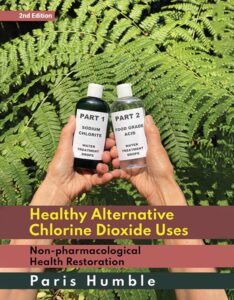
Humble, P. (2022). Healthy Alternative Chlorine Dioxide Uses Non-pharmacological Health Restoration
Klenner, F. (1980). Oxidative Therapies and the Role of Oxygen in Disease
Rowland, W. (2015). Silver Water and Oxidative Healing Mechanisms
U.S. EPA. (1999). Alternative Disinfectants and Oxidants Guidance Manual
WHO. (2002). Schistosomiasis and Soil-Transmitted Helminth Control
Centers for Disease Control and Prevention (CDC) – Parasitic Diseases Overview
Chlorine Dioxide Journal Archive: Efficacy against protozoan cysts and bacterial biofilms in water systems
Disclaimer
Chlorine dioxide is approved only for water purification. Any reported internal or topical use is based on independent, non-medical experiences. This information is presented for educational and historical purposes only. Those considering its use should do so responsibly, informedly, and at their own discretion.
For many years, chlorine dioxide has been known primarily as a water purifier. It is a powerful oxidizer that kills pathogens in drinking water by breaking down their cell walls and rendering them harmless. But beyond this accepted use, millions of people worldwide have shared anecdotal reports of chlorine dioxide water purification drops relieving and often eliminating infectious diseases. These accounts, though not yet validated by mainstream medicine, are consistent and widespread enough to suggest that there is clearly something here that demands further examination.
The Most Reported Successes
Here is a numbered list of the infectious diseases people most often report success with when using chlorine dioxide:
Malaria
A mosquito-borne parasite that causes cycles of fever, chills, and severe fatigue. Many users claim chlorine dioxide brings relief within hours, with fever and symptoms disappearing rapidly.
Lyme Disease
A tick-borne bacterial infection known for joint pain, neurological problems, and fatigue. Testimonies describe reduced pain, clearer thinking, and energy returning after consistent use.
Candida
A fungal overgrowth that causes yeast infections, thrush, digestive upset, and systemic imbalance. Users say chlorine dioxide helps restore balance and reduce chronic Candida symptoms.
Influenza (Flu)
A viral respiratory infection marked by fever, cough, and body aches. Reports suggest chlorine dioxide helps shorten recovery time and ease the intensity of symptoms.
Strep Throat
A painful throat infection caused by Streptococcus bacteria. Many share that chlorine dioxide clears sore throat, fever, and swollen glands faster than expected.
E. Coli
A bacterial infection that causes food poisoning, diarrhea, and abdominal cramps. Users note chlorine dioxide relieves digestive distress and restores balance quickly.
Hepatitis
Viral infections (A, B, and C) that damage the liver, causing jaundice, fatigue, and long-term health risks. Testimonies point to improved liver function, energy, and symptom relief.
Chlamydia
A common sexually transmitted bacterial infection that can lead to serious complications if untreated. Some report chlorine dioxide helped clear infections and restore reproductive health.
HIV/AIDS
A viral infection that attacks the immune system, leaving patients vulnerable to opportunistic infections. Though not a cure, many report improved strength, energy, and fewer secondary infections.
MRSA (Methicillin-Resistant Staphylococcus aureus)
A dangerous antibiotic-resistant bacterial infection. Anecdotes describe wounds and skin infections clearing when chlorine dioxide was applied both internally and topically.
Tuberculosis (TB)
A bacterial lung infection that causes coughing, weakness, and weight loss. Reports suggest chlorine dioxide helps restore breathing function and overall vitality.
Coxsackie B Virus
A viral infection associated with heart inflammation, flu-like symptoms, and chronic fatigue. Individuals have reported that chlorine dioxide reduces fatigue and supports recovery.
In the United States, chronic Lyme disease is the number one infectious disease concern, reportedly resolved with chlorine dioxide. Reports are featured in many works. Interestingly, it is a commonly held belief that Lyme disease is the most misdiagnosed disease in the USA.
Summary Table: Infectious Diseases and Anecdotal Outcomes with Chlorine Dioxide
#
Infectious Disease
Cause
Description
Reported Anecdotal Outcomes
1
Malaria
Parasite (Plasmodium via mosquito)
Cyclical fevers, chills, weakness
Fever and symptoms are relieved rapidly, sometimes within hours
2
Lyme Disease
Bacteria (Borrelia burgdorferi)
Joint pain, fatigue, neurological issues
Reduced joint pain, clearer thinking, restored energy
3
Candida
Fungus (Candida albicans and related)
Yeast infections, thrush, digestive upset
Relief from chronic yeast issues, restored digestive balance
4
Influenza (Flu)
Virus (influenza strains)
Fever, cough, body aches, fatigue
Shortened recovery, reduced symptom intensity
5
Strep Throat
Bacteria (Streptococcus pyogenes)
Sore throat, fever, swollen glands
Faster relief of throat pain and fever
6
E. Coli
Bacteria (Escherichia coli)
Food poisoning, diarrhea, cramps
Relieved digestive distress, faster recovery
7
Hepatitis (A, B, C)
Virus (various strains)
Liver inflammation, jaundice, fatigue
Improved liver function, energy, and reduced symptoms
8
Chlamydia
Bacteria (Chlamydia trachomatis)
Common STD can cause reproductive harm
Infections reportedly cleared, improved reproductive health
9
HIV/AIDS
Virus (HIV)
Progressive immune system breakdown
More energy, fewer opportunistic infections, improved quality of life
10
MRSA
Bacteria (Methicillin-resistant Staph aureus)
Antibiotic-resistant skin/lung infections
Cleared wounds and skin infections, improved healing
11
Tuberculosis (TB)
Bacteria (Mycobacterium tuberculosis)
Chronic lung infection, cough, weakness
Better breathing, weight gain, and increased vitality
12
Coxsackie B Virus
Virus (enterovirus group)
Heart inflammation, fatigue, flu-like symptoms
Reduced fatigue, improved recovery, and strength
A Common Thread
Across these twelve diseases, whether bacterial, viral, fungal, or parasitic, people describe using chlorine dioxide in much the same way: as a cleansing agent that kills infection. Once the infection is reduced or eliminated, symptoms often vanish, leaving users with renewed energy and health.
The Debate
Mainstream health agencies strongly discourage the internal use of chlorine dioxide, citing a lack of approved medical studies to support its use. Advocates argue that the lived experiences of millions cannot simply be dismissed. For them, chlorine dioxide has already proven itself as a safe, inexpensive, and effective remedy for infectious diseases.
Moving Forward
Whether one is cautious or curious, there is no denying that chlorine dioxide has captured global attention. Its growing reputation, supported by countless testimonials, highlights the need for rigorous study. Until then, many continue to share their personal stories of regained health, believing that chlorine dioxide has given them a second chance at life.
Resources and References
World Health Organization (WHO). Guidelines for Drinking-water Quality. Geneva: WHO. – Recognizes chlorine dioxide as a safe and effective water disinfectant.
United States Environmental Protection Agency (EPA). Alternative Disinfectants and Oxidants Guidance Manual. 1999. – Describes chlorine dioxide as a powerful oxidizer used in municipal water systems.
Gómez-López, V. M., Rajkovic, A., Ragaert, P., Smigic, N., & Devlieghere, F. (2009). “Chlorine dioxide for minimally processed produce preservation: a review.” Trends in Food Science & Technology, 20(1), 17–26. – Reviews chlorine dioxide’s antimicrobial properties.
Lubbers, J. R., Chauan, S., & Bianchine, J. R. (1981). “Controlled clinical evaluations of chlorine dioxide, chlorite and chlorate in man.” Fundamental and Applied Toxicology, 1(4), 334–338. – Examined human tolerance levels of chlorine dioxide.
Jim Humble. The Miracle Mineral Supplement of the 21st Century. – The earliest widely circulated book documenting anecdotal reports of chlorine dioxide being used beyond water purification, particularly in malaria.
Andreas Kalcker. Forbidden Health. – Shares research, protocols, and case reports of chlorine dioxide applications.
Herb Roi Richards. Lyme Disease Non-Medical Diagnosis and Treatment: How I Kicked Chronic Lyme Disease in One Year for Pennies. – A personal account of overcoming chronic Lyme with affordable, alternative methods.
Paris Humble. Healthy Alternative Chlorine Dioxide Uses: Non-Pharmacological Health Restoration. – A modern reference compiling alternative uses and testimonies.
Taylore Vance. Lyme Disease Alternative Treatments: Natural Remedies, Holistic, and Herbal Approaches for Chronic Lyme. – A guide exploring holistic and herbal strategies for addressing chronic Lyme disease inside and outside of mainstream medicine.
Genesis II Church Archives. – Collections of testimonies submitted by people reporting their experiences with chlorine dioxide worldwide.
Oxidative Therapy Literature. – Texts exploring oxidation as a mechanism for eliminating pathogens, a principle on which chlorine dioxide is based.
I used to wake up every morning with dread. My hands were stiff, swollen, and felt like they were on fire. Even pulling up the bedsheet or turning the doorknob made me wince. Some days, I couldn’t even hold a pen to write my grocery list. It wasn’t just the pain that wore me down—it was the hopelessness. I thought I’d spend the rest of my life slowly losing the use of my body, trapped inside pain. Arthritis, they told me, was incurable.
Arthritis is not just one disease—it’s a collection of conditions that cause inflammation of the joints. The most common types are osteoarthritis, which develops as cartilage wears down, and rheumatoid arthritis, an autoimmune disorder where the immune system mistakenly attacks the joints. Early symptoms often begin as stiffness or aching, particularly in the morning. As it progresses, swelling, loss of mobility, and deformity can occur.
This is not just a physical illness—it reaches into a person’s daily life and family circle.
“I hate feeling like a burden,” shared Marjorie, a grandmother of five. “I can’t get down on the floor to play with my grandkids anymore. My husband has to help me dress sometimes. I see the concern in his eyes, and I feel guilty. I don’t want my illness to hold back the people I love.”
Millions live with this frustration. While modern medicine offers pain relievers, anti-inflammatories, and injections, there is still no official cure. These treatments often manage symptoms but don’t address the root cause.
Turning Toward Natural Alternatives
In recent years, people all over the world have sought out natural methods. Many of them are finding not just relief, but complete elimination of arthritis symptoms. This isn’t surprising—medical schools are financed largely by pharmaceutical industries, which means doctors receive almost no training in natural approaches to healing.
Thankfully, nature has given us powerful allies:
Turmeric – Contains curcumin, a compound with strong anti-inflammatory effects. Best taken as a daily capsule or brewed as a tea.
Ginger – Helps reduce stiffness and pain. Fresh ginger tea or powdered ginger in food works well.
Boswellia (Frankincense) – Long known for reducing joint swelling and improving mobility. Usually taken as a supplement.
Stinging Nettle – Can be applied topically or brewed into a tea to ease joint pain.
Willow Bark – Known as “nature’s aspirin,” it helps with pain relief when used as tea or tincture.
Cayenne Pepper (Capsaicin cream) – Applied to joints, it reduces pain by blocking pain signals.
Rosemary & Eucalyptus Oils – Used in massage oil blends, they increase circulation and reduce inflammation.
These herbs help thousands, but even more remarkable results are being reported with one little-known intervention.
The Big News: Chlorine Dioxide
Jim Humble, an engineer and humanitarian, discovered a simple method using chlorine dioxide water purification drops that has helped hundreds of thousands of people overcome arthritis. According to Humble, millions worldwide have eliminated arthritis in all its forms by following his carefully developed protocols.
His approach is straightforward: start slow and build up to what he calls “Protocol 1000.” This involves gradually increasing small oral doses of chlorine dioxide throughout the day, giving the body time to clear out pathogens and restore healthy function.
For immediate relief, Jim Humble also suggested a topical application:
Mix three activated drops in 4 ounces of water.
Take 1 ounce of that solution and mix with 1 ounce of DMSO.
Rub into affected areas for 8 minutes.
Leave bare for 10 minutes, then dress, wipe off, or bathe.
This method penetrates directly into the tissue, bringing quick results.
For full-body support, many also report “miraculous” results from soaking in a chlorine dioxide/DMSO bath.
A Growing Movement
Natural Alternative Specialists around the world are now expanding their research to include chlorine dioxide, with outstanding results. While mainstream medicine continues to dismiss it, those who try it for themselves are experiencing life-changing relief.
Arthritis does not have to be a life sentence of pain and limitation. Nature offers herbs, oils, and ancient remedies that reduce inflammation and restore movement. And now, the groundbreaking work of Jim Humble with chlorine dioxide is bringing hope to millions—offering not just symptom relief, but the possibility of truly eliminating arthritis altogether.
For those who have suffered too long, this may be the light at the end of the tunnel.
Diabetes, whether Type 1 or Type 2, is not just a chronic condition; it’s a disease with far-reaching effects on nearly every system in the human body. If left unmanaged, it can lead to blindness, heart disease, kidney failure, stroke, nerve damage, or even amputation. In fact, each year in the United States alone, more than 80,000 lower-limb amputations are performed due to complications from diabetes.
While medications and insulin therapy are the standard responses, many people with diabetes are now asking: Is there anything more I can do right now to restore balance and improve my health? The answer appears to be yes, and three natural approaches showing great promise: oceanic magnesium, Lugol’s iodine, and chlorine dioxide, rumored to be the “defeat diabetes triad.”
Oceanic Magnesium: Restoring the Spark of Insulin Function
Magnesium plays a central role in how the body uses insulin; however, people with diabetes both need more magnesium and lose more magnesium than the average person. Low magnesium levels are strongly linked to poor glucose control, insulin resistance, and worsening complications.
The challenge? Standard oral magnesium supplements don’t always provide dramatic improvements because the digestive system limits how much it can be absorbed.
That’s where liquid magnesium sourced from the ocean comes in. When applied topically, it penetrates directly through the skin and into circulation. This method bypasses the gut and delivers magnesium rapidly to the cells where it is needed most.
Why Oceanic Magnesium is Important for diabetes:
Supports insulin production and function.
Improves nerve and muscle health, often compromised in diabetes.
Helps regulate heart rhythm and blood pressure, two major concerns in diabetic care.
Many natural health practitioners report seeing immediate improvements in energy, muscle relaxation, and even blood sugar control when clients switch from oral tablets to transdermal oceanic magnesium.
Lugol’s Iodine: Vital for Heart and Metabolism
Iodine is often overlooked, yet it is essential not just for the thyroid but also for cardiovascular and metabolic health. Sufficient iodine helps maintain a steady heartbeat, supports healthy blood pressure, and balances cholesterol. What’s more, iodine can bind to insulin receptors, improving glucose metabolism directly.
Clinicians who use Lugol’s iodine (a well-established, highly bioavailable liquid form) often report almost instant changes in circulation, energy, and metabolic stability. It is not unusual for blood pressure and cholesterol readings to normalize with consistent use.
Why Lugol’s Iodine is Important for diabetes:
Stabilizes cardiovascular function, critical since heart disease is the leading cause of death among people with diabetes.
Improves the body’s ability to use insulin effectively.
Enhances cellular metabolism, which is frequently sluggish in diabetics.
For those seeking the most reliable delivery, Lugol’s iodine remains the gold standard, with long-standing historical use in both medical and nutritional applications.
Chlorine dioxide may sound surprising, but its properties as a gentle oxidant place it in the same category as other oxidative therapies, such as ozone therapy, intermittent fasting, and even exercise. These therapies work by creating a small, controlled oxidative challenge that stimulates the body’s natural repair mechanisms, especially in the mitochondria, the tiny “power plants,” inside every cell.
Since mitochondrial dysfunction plays a central role in diabetes, therapies that restore mitochondrial resilience can bring profound benefits. Reports suggest that low-dose chlorine dioxide supports this biological rebound effect, improving energy levels, immune balance, and tissue repair.
Why Chlorine Dioxide is Important for diabetes:
Encourages mitochondrial “resetting,” improving how cells process energy.
Supports circulation and healing, key for preventing amputations.
Appears to help regulate oxidative stress, often elevated in diabetics.
Medical observations even suggest that chlorine dioxide holds promise for diabetic foot ulcers, one of the most severe complications of the disease.
Beyond the Three: A Story of Complete Reversal
Years ago, Wayne Rowland, an inventor who had survived lead poisoning and multiple cancers, developed a new generation of colloidal silver, known as Silver Water. To his surprise, many individuals who used it reported overcoming stubborn illnesses, including diabetes.
This discovery inspired him to create a Disease Symptom Elimination Program, which, among other things, included:
and an intensive parasite-cleansing, gut-rebuilding protocol.
Participants in his program not only saw their blood sugar normalize but, in many cases, experienced complete reversal of Type 1 and Type 2 diabetes within months. His approach emphasized that maintaining health afterward required only an annual parasite cleanse and microbiome tune-up.
While mainstream medicine has yet to formally study such a program, after 100,000 diabetes reversals, Rowland offered a money-back guarantee out of his own pocket to anyone who completed his program and did not achieve complete recovery from diabetes. No one ever initiated a claim. His experiences suggest that Silver Water and integrative, natural approaches hold promise for those who feel trapped by the “lifelong” label of diabetes.
In Closing
If you are living with diabetes today, you don’t have to wait for the next doctor’s appointment or new drug release to begin supporting your body. Three natural tools stand out:
Oceanic Magnesium to restore insulin function and support circulation.
Lugol’s Iodine to stabilize the heart, metabolism, and insulin sensitivity.
Chlorine Dioxide to repair mitochondrial dysfunction and promote healing.
Combined with healthy lifestyle choices and possibly expanded programs like parasite cleansing and Silver Water, these approaches may help people not only manage but also transform their experience of diabetes.
Imagine a future where the disease no longer controls you, and vibrant health is once again possible. These three tools could be the first steps toward making that vision real.
References:
Oceanic Magnesium: How to Use Topical Sea Water Magnesium for Health Benefits by Herb Roi Richards