One of the most powerful and least discussed drivers of aging is glycation. Glycation occurs when excess sugars bind to proteins, fats, and DNA, forming rigid, dysfunctional compounds known as Advanced Glycation End-products (AGEs). These compounds stiffen tissues, damage collagen, impair circulation, accelerate inflammation, and shorten cellular lifespan. While glycation is commonly associated with diabetes, it affects everyone, especially as we age. AGEs contribute to wrinkles, joint stiffness, arterial hardening, brain aging, kidney stress, and loss of elasticity throughout the body. Chlorine dioxide (CD/CDS) is now being explored in alternative health circles as a supportive tool for reducing the biological burden that fuels glycation, not by “removing sugar,” but by clearing pathogens, biofilms, inflammation, and oxidative waste that accelerate AGE formation.
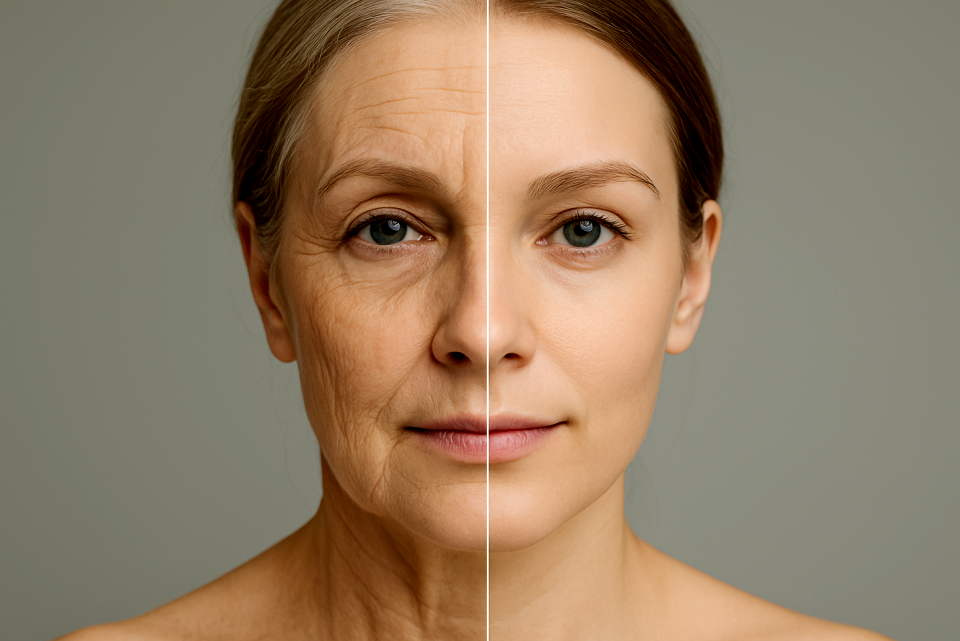
How reducing internal stressors helps slow glycation-driven aging.
- What Is Glycation?
Glycation is a non-enzymatic reaction where sugars attach to:
-
- collagen
- elastin
- hemoglobin
- enzymes
- nerve proteins
- arterial walls
- mitochondrial components
Once formed, AGEs:
-
- harden tissues
- reduce elasticity
- block oxygen delivery
- interfere with cell signaling
- increase inflammation
- damage mitochondria
- accelerate aging
Think of glycation as “caramelization from the inside out.”
- Why Does Glycation Accelerate Premature Aging?
AGEs cause aging through multiple mechanisms:
-
- Tissue Stiffness
- Collagen becomes brittle and inflexible, leading to wrinkles, joint pain, and vascular rigidity.
- Chronic Inflammation
- AGEs activate inflammatory receptors, creating ongoing tissue damage.
- Reduced Oxygenation
- Stiffened tissues limit blood flow and oxygen delivery.
- Mitochondrial Damage
- AGEs interfere with ATP production, reducing energy.
- Impaired Detoxification
- Rigid tissues trap toxins and metabolic waste.
- Hormonal Interference
- AGEs disrupt insulin signaling and endocrine balance.
- Tissue Stiffness
AGE accumulation is one of the clearest biochemical signatures of biological aging, regardless of chronological age.
- Who Is Most Affected by Glycation?
People who may experience accelerated AGE buildup include those with:
-
- high sugar or carbohydrate intake
- chronic stress
- inflammation
- insulin resistance
- metabolic syndrome
- fatigue
- brain fog
- stiff joints
- premature wrinkles
- poor circulation
- kidney or nerve sensitivity
- long-standing infections
Importantly, pathogens and biofilms dramatically increase glycation, even in people with normal blood sugar levels.
- Where Do AGEs Accumulate in the Body?
AGEs accumulate throughout the body, particularly in:
-
- skin (wrinkles, sagging)
- arteries (hardening, plaque formation)
- joints and cartilage
- kidneys
- eyes
- nerves
- brain tissue
- heart muscle
- connective tissue
These areas are also common sites of chronic inflammation and biofilm formation.
- When Does Glycation Become a Major Aging Factor?
Glycation accelerates when:
-
- inflammation becomes chronic
- infections linger
- oxidative stress increases
- detoxification slows
- sugar metabolism becomes inefficient
- aging passes mid-life
- circulation declines
Many people notice sudden “aging acceleration” in their 40s or 50s—often linked to rising AGE burden.

How Chlorine Dioxide Supports the Reduction of Glycation Stress
Chlorine dioxide does not remove sugar from the body. Its potential role lies in reducing the conditions that promote AGE formation and accumulation.
- Chlorine Dioxide (CD) Reduces Chronic Inflammation
Inflammation dramatically increases AGE production. By lowering microbial load and toxic triggers, CD reduces inflammatory signaling that drives glycation.
- CD Reduces Pathogen-Driven Glycation
Many microbes metabolize sugars and release glycation-promoting toxins. Fewer microbes = fewer glycation accelerants.
- CD Breaks Down Biofilms That Trap AGEs
Biofilms trap sugars, metals, and waste that fuel AGE formation. CD weakens the biofilm matrix, allowing the body to clear trapped glycation compounds.
- CD Improves Oxygenation
Oxygen-rich tissues form fewer AGEs. By reducing anaerobic microbes and clearing blockages, CD supports better oxygen delivery.
- CD Supports Mitochondrial Function
Healthy mitochondria regulate glucose metabolism more efficiently, lowering glycation risk.
- CD Normalizes Tissue pH
Acidic environments accelerate glycation. Reducing acidic microbial waste slows AGE formation.
- CD Reduces Oxidative Waste
AGEs thrive in oxidative stress environments. Clearing organic waste reduces oxidative load.
The Anti-Aging Implication
Reducing glycation is one of the most powerful anti-aging strategies available. When AGE burden declines:
- skin regains elasticity
- joints move more freely
- circulation improves
- energy increases
- inflammation drops
- tissues become more resilient
Chlorine dioxide may act as a supportive upstream intervention, helping remove the internal conditions that allow glycation to accelerate unchecked.

Quick How-To Guide
- Low-Dose, Consistent Chlorine Dioxide Use
People exploring AGE reduction typically use low-dose CDS consistently over time rather than aggressively.
- Hydration Is Critical
Water helps mobilize glycation byproducts once released.
- Reduce Sugar Intake
Lowering dietary sugar dramatically reduces AGE formation.
- Add Magnesium and Trace Minerals
Minerals support glucose metabolism and collagen integrity.
- Support Liver and Kidneys
These organs help clear glycation byproducts.
- Gentle Movement
Improves circulation and oxygen delivery to glycated tissues.
- Observe Long-Term Changes
Improvements often show up in:
-
- skin tone
- joint comfort
- circulation
- cognitive clarity
- energy levels
Disclaimer
This article is for informational and research purposes only. It does not diagnose, treat, cure, or prevent disease. Chlorine dioxide is not approved for internal use by regulatory agencies. Always consult qualified professionals before making health-related decisions.

How do you navigate regular use of CDS and protecting the microbiomes in your mouth and intestines? Is is just as simple as taking a prebiotic and a probiotic each day?